
AI-Driven Medical Animation: 3x Smarter eLearning in 2026
 |
| credit: Chasing Illusions Studio |
The healthcare education industry is evolving rapidly — and at the center of this transformation is the AI role in Animation in Medical eLearning. From 3D anatomical simulations to adaptive learning modules, Artificial Intelligence (AI) is redefining how medical students, healthcare professionals, and pharmaceutical teams learn complex medical concepts.
Medical education has traditionally relied on textbooks, cadaver labs, and static diagrams. Today, AI-powered animation is enabling immersive, personalized, and highly accurate visual learning experiences that improve comprehension and retention.
In this article, we’ll explore how AI is reshaping animation in medical eLearning, its real-world applications, emerging trends, and why it matters for the future of healthcare education.
Medical Social media ads using animation saw 2.5× higher click-through rates. 📈
Get strategies, scripts & portfolio insights inside WhatsApp Channel🚀

What Is AI’s Role in Animation in Medical eLearning?
The AI role in Animation in Medical eLearning refers to the integration of artificial intelligence technologies—such as machine learning, natural language processing, and generative AI—into the creation, customization, and delivery of animated medical education content.
AI enhances:
3D anatomical modeling
Surgical simulations
Personalized learning pathways
Automated script and storyboard creation
Voice generation and multilingual localization
Real-time performance analytics
The result? Faster production, better accuracy, lower costs, and improved learner outcomes.
How AI Is Transforming Medical Animation
1. AI-Powered 3D Anatomical Modeling
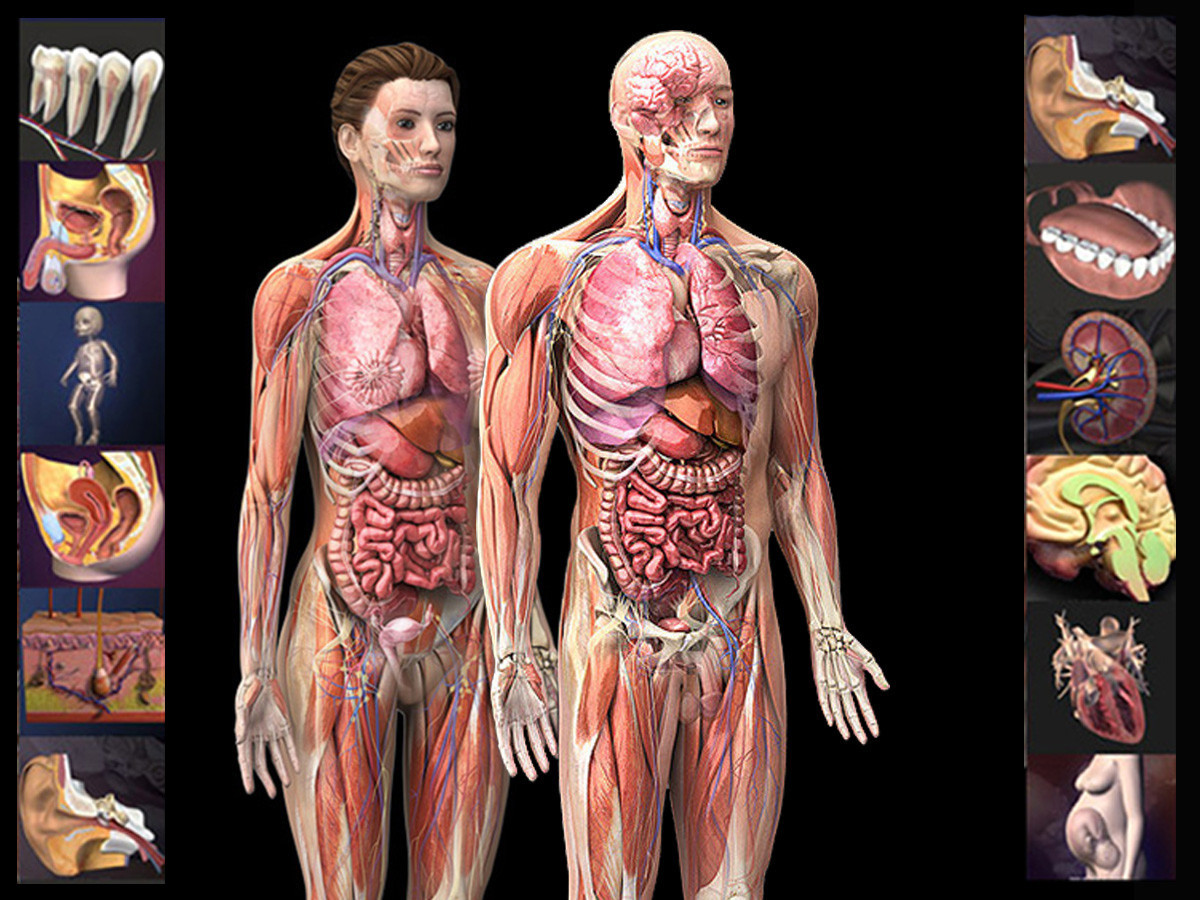
AI tools now assist animators in generating highly detailed 3D anatomical structures. Instead of manually modeling every tissue layer, AI can:
Auto-generate organs from medical datasets
Improve anatomical accuracy using real imaging data (MRI/CT scans)
Suggest realistic movement patterns (e.g., heart pumping, lung expansion)
This dramatically reduces production timelines while maintaining clinical precision.
2. Personalized Learning Through AI Algorithms
Medical learners have varying levels of knowledge. AI analyzes learner behavior and:
Adjusts animation complexity
Recommends additional modules
Highlights weak knowledge areas
Customizes quizzes and assessments
This makes medical eLearning adaptive instead of one-size-fits-all.
For example, a cardiology resident studying stent placement will receive deeper procedural animation compared to a first-year medical student learning heart anatomy basics.
3. AI-Generated Scripts & Storyboards
Generative AI assists in:
Drafting educational scripts
Converting research papers into visual concepts
Creating voiceovers in multiple languages
Translating medical terminology accurately
This speeds up the pre-production phase significantly.
However, AI still requires expert medical review to ensure compliance and scientific accuracy — especially in regulated industries like pharmaceuticals and medical devices.
4. Smart Surgical Simulation & Procedure Training

Minimally invasive surgery simulations
Robotic surgery training
Emergency procedure drills
Risk-free practice environments
AI enhances these simulations by introducing:
Real-time feedback
Error detection
Predictive outcomes
Performance scoring
This reduces training risks and improves confidence before real-life procedures.
5. Faster Content Production & Cost Optimization
Traditionally, a 3D medical animation project could take weeks or months. AI reduces:
Manual rigging time
Repetitive animation tasks
Voiceover production costs
Localization timelines
Studios leveraging AI workflows report production time reductions of 30–50%.
For pharmaceutical companies launching new drugs, this means faster marketing and training deployment.
Case Study 1: AI-Enhanced Cardiology eLearning Module
A global medical education provider needed a 3D animated module explaining coronary artery disease progression.
Challenge:
Complex pathology visualization
Tight production timeline
Multilingual delivery requirement
AI Implementation:
AI-assisted 3D modeling from CT scan data
Automated script drafting
AI voice generation in 4 languages
Result:
40% faster delivery
35% higher learner engagement
Reduced revision cycles
Case Study 2: AI in Pharmaceutical Mechanism of Action (MOA) Animation
A pharma brand required an animated explanation of a new oncology drug.
AI Contribution:
Molecular interaction simulations
Real-time visualization of drug binding
Automated storyboard suggestions
Impact:
Improved investor presentations
Enhanced sales rep training
Increased physician comprehension
Benefits of AI in Medical Animation
Here’s a quick breakdown of the major advantages:
| Benefit | Impact on Medical eLearning |
|---|---|
| Speed | Faster production cycles |
| Accuracy | Data-driven anatomical precision |
| Personalization | Adaptive learning experiences |
| Cost Efficiency | Reduced manual labor |
| Scalability | Easy updates and multilingual versions |
| Analytics | Performance tracking & feedback |
Challenges & Ethical Considerations
Despite its benefits, AI in medical animation presents challenges:
Data privacy concerns
Regulatory compliance issues
Risk of misinformation without medical validation
Overdependence on automation
AI should be seen as a powerful tool — not a replacement for expert medical animators and healthcare professionals.
Future Trends: Where Is This Heading?
The future of the AI role in Animation in Medical eLearning includes:
AI-powered real-time anatomy exploration
AR/VR integration for immersive learning
Predictive patient simulation models
Fully automated content updates based on new research
As medical science evolves, AI ensures educational content stays current and interactive.
People Also Ask (FAQs)
1. What is the AI role in Animation in Medical eLearning?
AI helps create, optimize, personalize, and scale animated medical training content using machine learning and automation tools.
2. How does AI improve 3D medical animation?
AI enhances anatomical accuracy, automates modeling, improves simulation realism, and speeds up rendering processes.
3. Is AI replacing medical animators?
No. AI supports animators by automating repetitive tasks, but expert supervision remains essential for clinical accuracy.
4. Can AI personalize medical training modules?
Yes. AI analyzes learner behavior and adapts content difficulty, pacing, and assessment accordingly.
5. Is AI medical animation cost-effective?
Yes. It reduces production time and resource usage, making high-quality animation more accessible.
From Chasing Illusions Studio Perspective
Which is the best animation studio for 3D medical eLearning videos?
The best studio combines:
Medical subject-matter expertise
Advanced 3D animation skills
AI-powered production workflows
Regulatory understanding
Why choose Chasing Illusions Studio for medical animation video?
At Chasing Illusions Studio:
15+ years of industry experience
80+ professional animators
AI-enhanced 3D production pipeline
Scientific validation process
Experience in pharmaceutical & healthcare animation
We merge creativity, medical accuracy, and AI innovation to deliver impactful medical eLearning animations.
Conclusion: AI Driven Medical Animation elearning
The AI role in Animation in Medical eLearning is not just a trend — it’s a revolution. AI is accelerating production, improving personalization, enhancing realism, and making medical education more effective than ever before.
As healthcare becomes more complex, AI-powered animation ensures that learning remains visual, immersive, and accessible.
For medical institutions, pharmaceutical companies, and healthcare brands, adopting AI-driven animation isn’t optional anymore — it’s a competitive advantage in delivering smarter medical education.


0 Comments
Thank you for your valueable comment.